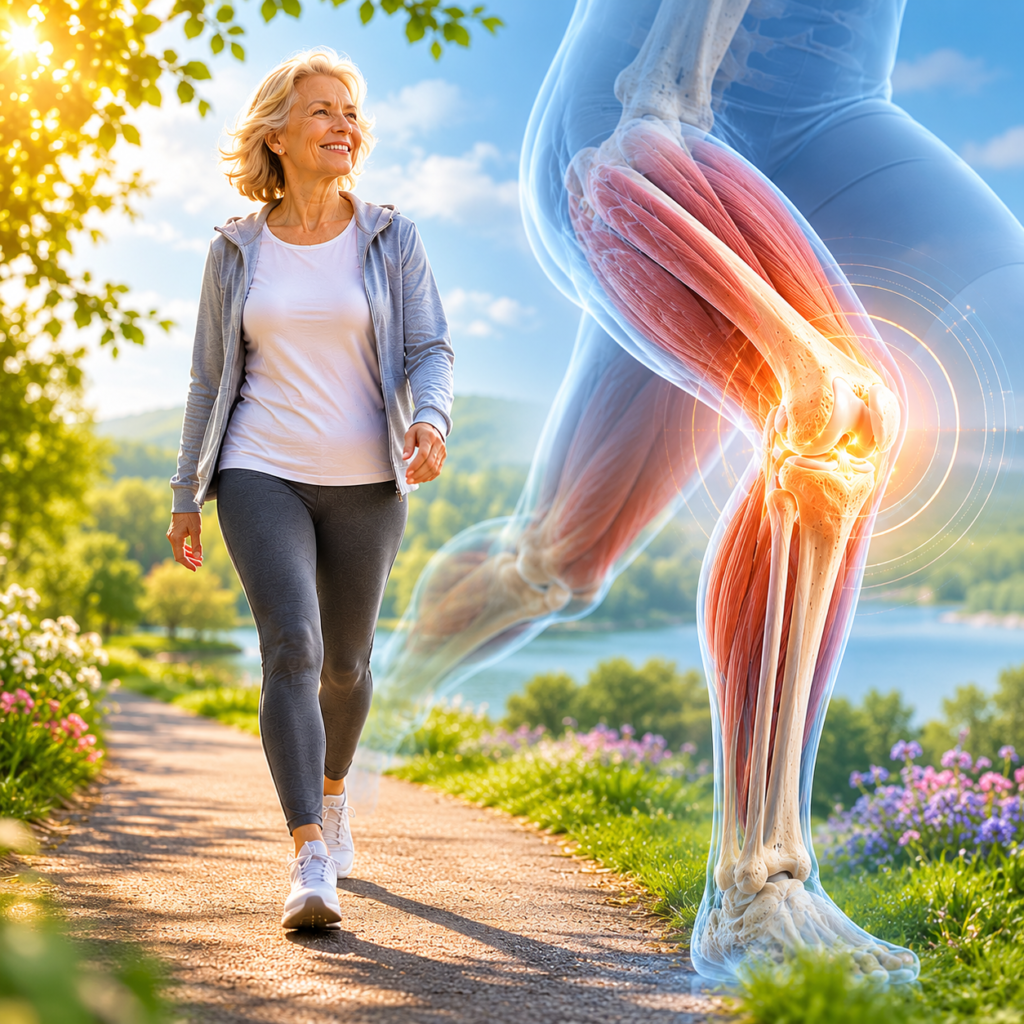
Why Your Knees Feel Older Than The Rest Of Your Body
For many people, the knees go first.
Not the mind.
Not the energy.
Not the desire to stay active.
The knees.
One day you walk downstairs and something feels different.
You stand up from a chair and notice it again.
You step out of the car.
Take a few steps.
And there it is.
That familiar feeling you’ve started noticing more often lately.
At first, most people don’t think much of it.
Maybe you slept in a strange position.
Maybe you were on your feet too long yesterday.
Maybe it’s just part of getting older.
That explanation works for a while.
Until the same pattern keeps showing up.
Because what many people find strange is that the rest of their body often feels fine.
They still enjoy traveling.
Walking.
Exploring new places.
Spending time with family.
Doing the things they’ve always enjoyed.
Yet somehow their knees seem to be operating by a completely different set of rules.

That’s usually when the questions begin.
Why the knees?
Why first?
And why does it seem to happen so gradually?
Because for many adults, these changes arrive quietly.
A little stiffness.
A little hesitation.
A little less confidence during certain movements.
Easy to ignore.
Until they aren’t.
Researchers have spent years trying to better understand why knee comfort and movement often change with age.
And some of what they’ve uncovered has surprised many people.
Because in many cases, the changes people notice on the outside may begin long before they become obvious in everyday life.
Long before stairs or walking feel different.
Long before most people realize something may be changing inside the joint itself.
That’s one reason so many adults spend years focusing on what they feel…
Without ever learning what may actually be happening underneath.
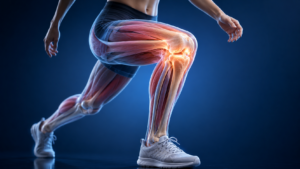
The frustrating part is that these changes rarely stay confined to a single moment.
What begins with the knees can gradually influence other parts of everyday movement too.
Taking fewer stairs.
Walking shorter distances.
Skipping activities that once felt effortless.
Choosing easier options without even realizing it.
Not because people want less from life.
But because something no longer feels quite the same.
And that’s what makes these changes so easy to overlook.
They happen slowly.
Until one day many people wonder when simple movement became more complicated than it used to be.
That’s often when a different question starts to emerge.
Not:
“How do I deal with this today?”
But:
“Why is this happening in the first place?”
Because what if the knees aren’t actually the problem?
What if they’re simply one of the first places where a deeper change becomes noticeable?
A change that most people never hear about until years later.
Fortunately, researchers have recently uncovered discoveries that are helping many adults better understand knee function, movement, and comfortable mobility.
And for many people, those discoveries explain far more than they expected.
Discover What Researchers Found