
Why Getting Up From A Chair Feels Harder Than It Used To
Most people don’t notice it right away.
It happens gradually.
One day, you stand up from the couch.
And for a brief moment, something feels different.
Not painful.
Just… different.
Maybe you pause for a second before taking your first step.
Maybe you straighten up a little more slowly.
Maybe you feel slightly stiff after sitting for a while.
At first, it’s easy to ignore.
Everyone gets older.
Everyone slows down a bit.
Right?
But then it keeps happening.
And eventually you start noticing a pattern.

For many adults, standing up from a chair used to be automatic.
Something you never thought about.
You sat down.
You stood up.
End of story.
Yet over time, some people begin feeling as if their body needs a moment to “wake up” before moving comfortably again.
And that’s where the questions often begin.
Because if you’re otherwise healthy…
Why does such a simple movement suddenly seem different?
The surprising part is that what you’re experiencing may not begin where most people think.
In fact, researchers have spent years studying changes that can quietly affect movement long before they become obvious in everyday life.
Changes that often remain unnoticed.
Until ordinary activities start revealing them.
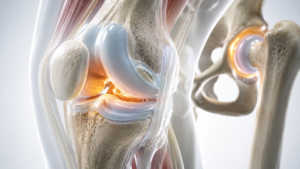
That’s one reason so many people feel caught off guard.
Nothing dramatic happened.
No major injury.
No obvious event.
Just a gradual shift that becomes harder to ignore.
One day it’s standing up from a chair.
Later it might show up somewhere else.
Climbing stairs.
Walking longer distances.
Getting out of a car.
Moving after sitting for extended periods.
Small moments.
But moments that start adding up.
Researchers now believe there may be several overlooked factors influencing comfortable movement that many adults have never heard about.
And understanding those factors may explain why movement often feels different with age.
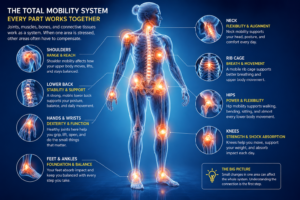
What makes this frustrating is that most people still want to stay active.
They still enjoy traveling.
Walking.
Gardening.
Keeping up with family.
Living independently.
Yet subtle changes in movement can slowly influence daily decisions.
Taking fewer stairs.
Walking a little less.
Avoiding activities that once felt effortless.
Not because they want to.
But because their body seems to be sending a message they don’t fully understand.
And that’s why many people eventually begin asking a different question.
Not:
“How do I deal with the discomfort?”
But:
“What is actually causing these changes in the first place?”
The answer may involve a hidden process affecting joint function that most people never learn about.
Fortunately, researchers have recently uncovered discoveries that are helping many adults understand movement and mobility in an entirely new way.