
Why Climbing Stairs Feels Different After 50
There was probably a time when stairs barely crossed your mind.
You walked up them without thinking.
At home.
At work.
At the grocery store.
One step after another.
Simple.
Automatic.
Then somewhere along the way, something started feeling different.
Not overnight.
Not dramatically.
Just enough to notice.
Maybe you hold the handrail more often now.
Maybe you take stairs a little slower.
Maybe certain movements require a bit more effort than they used to.

At first, most people assume it’s simply age.
That sounds reasonable.
Until the pattern keeps showing up.
Because for many adults, the stairs themselves aren’t really the problem.
They simply reveal something that may have been changing quietly for years.
That’s what makes it confusing.
The change often happens so gradually that most people barely notice it at first.
Everything feels normal.
Until one day it doesn’t feel quite as effortless anymore.
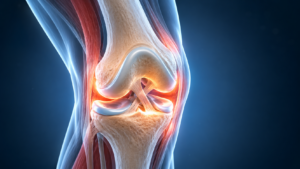
Researchers have become increasingly interested in why comfortable movement begins changing for so many adults after 50.
And some of their findings have surprised people.
Because in many cases, what you’re experiencing may involve more than simple wear and tear.
There may be factors affecting movement and joint function that most people never think about.
Factors that remain unnoticed until activities like climbing stairs begin feeling different.
That’s one reason many people spend years focusing only on the discomfort itself.
Without asking what may be happening underneath.
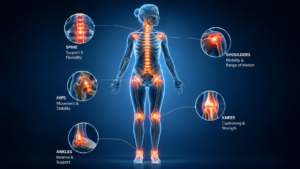
One of the most frustrating parts is that many people still feel capable.
They still want to stay active.
They still enjoy walking.
Traveling.
Gardening.
Spending time with family.
Yet small changes in movement start influencing everyday choices.
Taking fewer stairs.
Avoiding longer walks.
Looking for easier routes.
Moving a little more carefully than before.
Not because they want to.
But because something feels different.
And when the same pattern keeps appearing, many people begin asking an important question:
What if the discomfort isn’t the real story?
What if it’s simply one of the first signs of a deeper change developing inside the joints over time?
A change most people never hear about until much later.
The good news is that researchers have recently uncovered several factors that may play a much bigger role in comfortable movement than previously believed.
And once people understand these discoveries, many of their experiences suddenly begin making more sense.